The Church of the Ascension: A Feng Shui Masterclass in Stone
Perched 62 meters above the Moscow River, the Church of the Ascension doesn’t just stand—it commands attention. Built in 1532, this white stone marvel defied the norms of its era. Russian Orthodox churches usually wore onion domes like hats. This one wore a tent (a design that would make any traditionalist wince).
The Church of the Ascension in Kolomenskoye matters to Feng Shui because energy responds to form, flow, and placement—regardless of time or geography. This 500-year-old structure offers a rare glimpse into how traditional Chinese spatial wisdom interacts with European religious architecture.
Vasily III commissioned the building to celebrate the birth of his son, Ivan IV (later known as the Terrible). That lineage detail matters. In Feng Shui, creation events imprint energy onto a site. A building born from hope for an heir carries different qi than one built for mourning.
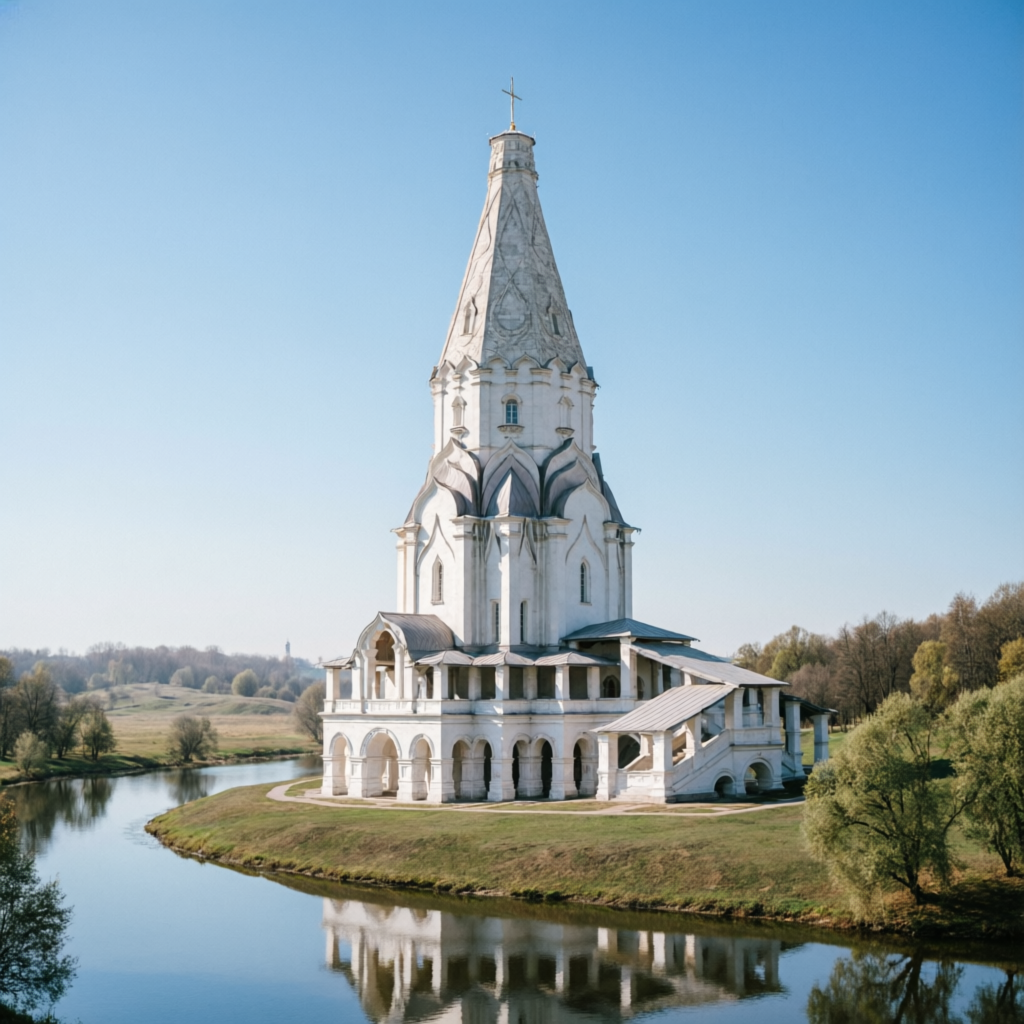
The structure survived revolutions, wars, and neglect. Napoleon’s troops occupied Kolomenskoye in 1812. They didn’t burn this church (a fact that even Napoleon’s troops couldn’t ignore). Soviet authorities closed it in 1929 but didn’t demolish it. UNESCO inscribed it as a World Heritage site in 1994 (UNESCO World Heritage Centre). Survival is data. When a structure outlasts empires, you need to look closer at why.
This isn’t about superstition. It’s about observing what lasts. You can learn from stone even if you never visit Moscow.
Feng Shui Basics for Landmarks
Feng Shui applies to landmarks as well as homes. The Church of the Ascension, Kolomenskoye demonstrates how large-scale structures anchor regional energy. They anchor collective qi for entire regions.
The Form School (形势派) focuses on shapes and landscape. Compass School (理气派) deals with directions and time periods. For a building this old, Form School carries more weight. Compass readings shift over centuries due to magnetic declination changes. Stone doesn’t lie about shape.
When analyzing landmarks, you look for three things: protection, presence, and purpose. Protection comes from surrounding landforms. Presence comes from the building’s visibility. Purpose comes from how people use the space over time.
Historical buildings accumulate layers of energy. Every visitor, every prayer, every storm adds to the site’s profile. You can’t reset a landmark like you rearrange furniture. You read it like a tree ring.
Scholars estimate over 4,000 UNESCO World Heritage sites exist globally, each holding unique spatial signatures (UNESCO). Studying them helps you understand how culture shapes energy. If you want to dig deeper into how global sites interact with geography, grabbing a reference like World Heritage can help contextualize these patterns beyond just one location.
Don’t assume Russian Orthodoxy and Feng Shui clash. Both systems seek harmony between heaven and earth. The vocabulary differs. The intent aligns.
Next, we need to look at where this church actually sits on the land.
Directional Context and Surroundings
Kolomenskoye sits on a high bank overlooking a sharp bend in the Moscow River. Water is wealth in Feng Shui. But not all water is good water. Fast, straight water drains qi. Slow, meandering water holds it.
The river curves gently here. It doesn’t rush. This creates a “water dragon” effect, pooling energy near the bank. The church sits high above the water, avoiding flooding risks while capturing the view. Height separates it from stagnant ground qi.
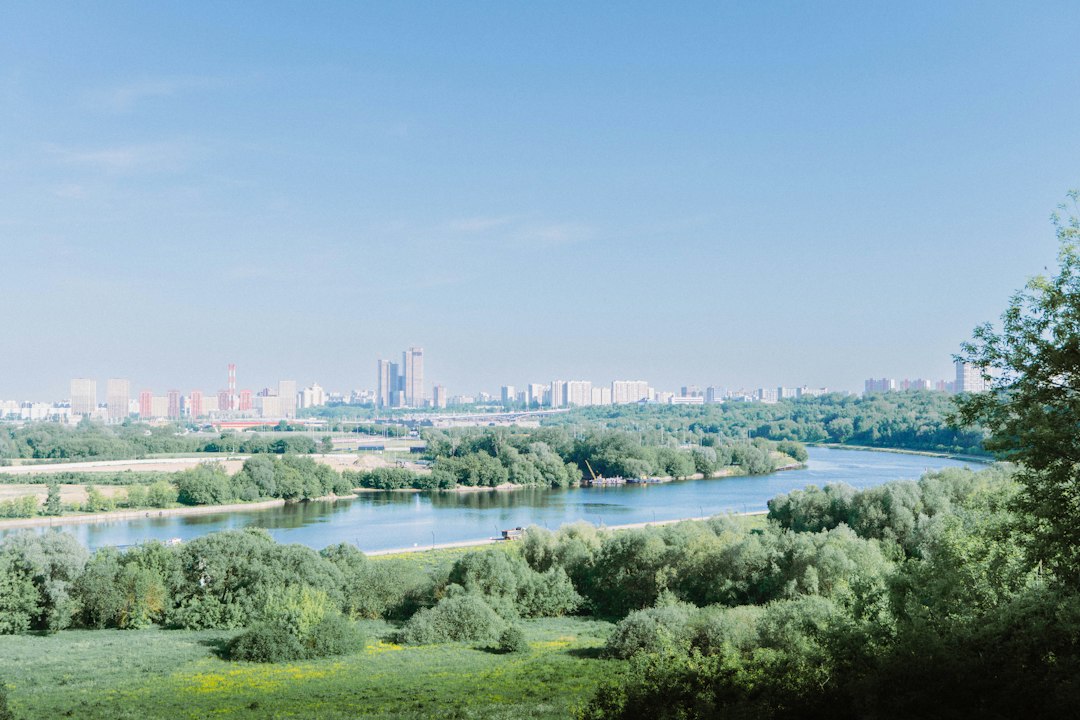 Photo by Artem Balashevsky on Unsplash
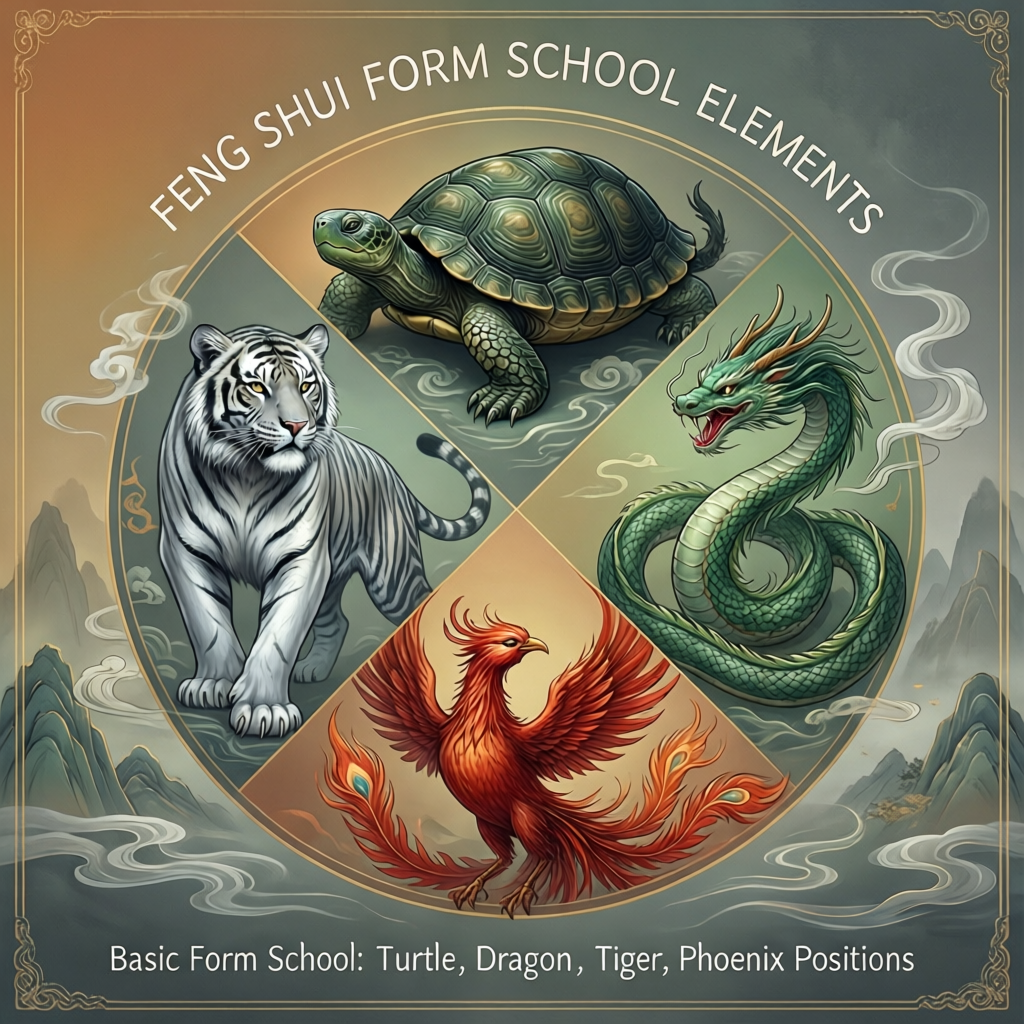
Behind the church, the land rises slightly. This forms the “Black Tortoise” support. You want solid ground behind you, not a drop-off. The estate’s hills provide this buffer. To the left and right, trees and smaller structures create the “Green Dragon” and “White Tiger” arms. They don’t clamp tightly, but they offer definition.
The facing direction opens toward the river. This is the “Red Phoenix” position. Open space allows qi to gather before entering. In modern terms, you’d call this a view corridor. In Feng Shui, it’s a mouth for energy.
Wind patterns matter too. Moscow winters are harsh. The thick walls (up to 2.5 meters in some sections) block cold wind penetration. Wind scatters qi. Walls hold it. The site balances exposure with protection.
Here’s the thing: you can’t replicate this exact landscape in your backyard. But you can look for water features that move slowly. You can ensure your home has solid support behind it. The principle translates even if the scale doesn’t.
Now let’s examine the building itself.
Form-School Feng Shui Analysis
The tent-like roof is the anomaly. Traditional Russian churches used domes to symbolize heaven. This structure uses a vertical spike. It points up. Hard.
In Five Element theory, vertical shapes belong to Wood. White stone belongs to Metal. Metal chops Wood. This creates a productive conflict. The structure generates energy through tension. It doesn’t sit passively. It reaches.
The color white dominates. Metal element. Clarity, precision, contraction. This isn’t a warm, earthy building. It’s sharp. It cuts through fog. During winter, the white stone blends with snow, making the structure feel like an extension of the land. In summer, it glows against green trees.
Interior layout is simple. One vertical shaft. No complex corridors. Qi moves straight up. This encourages ascension energy—fitting for a church dedicated to the Ascension. You don’t get stuck in corners. You look up.
The base is square. Earth element. Stability. The transition from square base to tent roof moves from Earth to Wood to Metal. It cycles elements vertically. This keeps energy moving. Stagnation kills buildings. Movement sustains them.
If you’re analyzing your own home, check your roofline. Flat roofs behave differently than pitched ones. Tents behave differently than domes. Shape dictates flow. For those interested in how architecture influences wealth and legacy, reading about powerful figures like J. Paul Getty in As I See It offers a secular parallel on how environment and ambition intersect.
The porches on three sides allow entry from multiple angles. Qi doesn’t funnel through one narrow door. It diffuses. This reduces pressure at the entrance. You avoid bottlenecks.
We need to verify if this energy configuration actually worked over time.
Compass-School Feng Shui Insights
Compass School requires precise orientation data. The church faces roughly southeast toward the river bend. Southeast connects to Wood element in Eight Mansions theory. Growth. Expansion.
This aligns with the building’s purpose: celebrating birth and lineage. Vasily III wanted an heir. He built a structure facing growth energy. It worked. Ivan IV was born shortly after construction began.
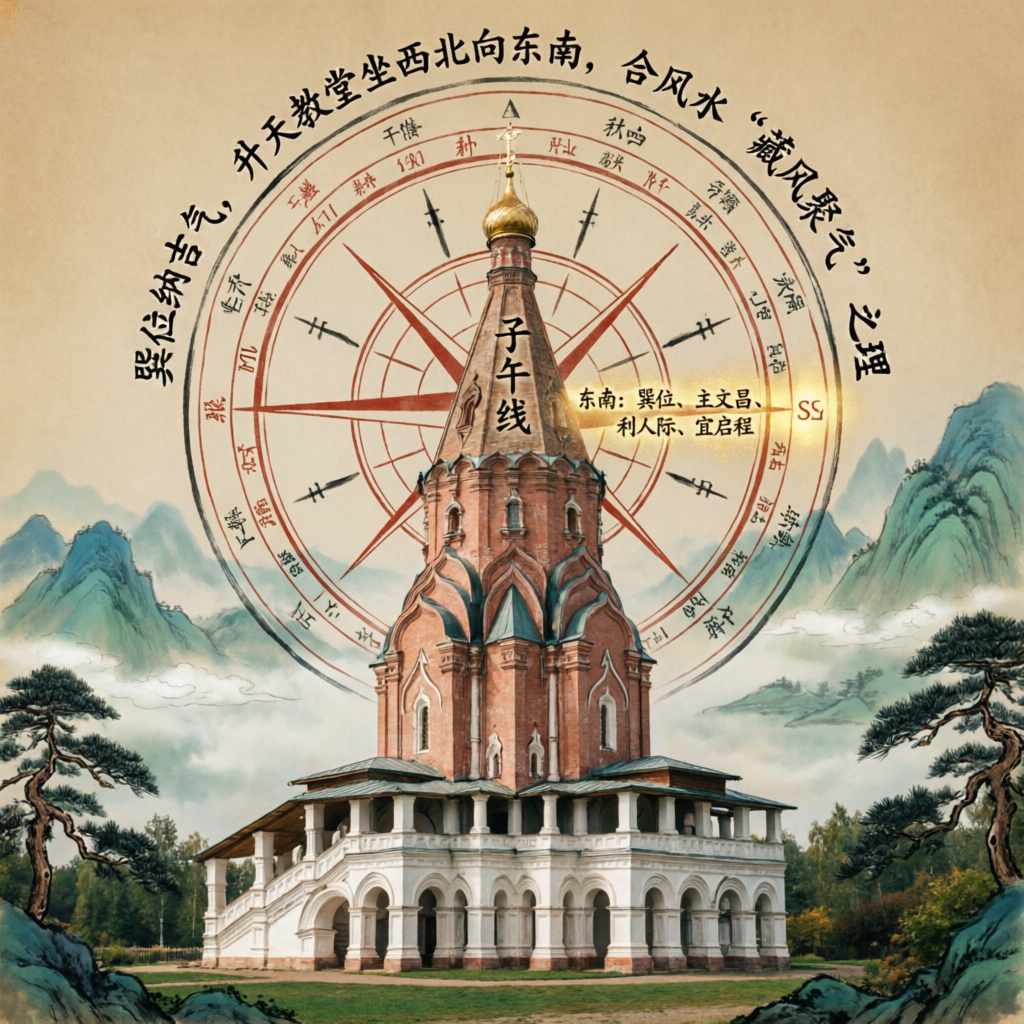
Time periods shift energy quality. The building entered Period 7 (Metal) during construction. White stone matched the period. This strengthened the structure’s luck during its early centuries. As we moved into Period 8 and now Period 9 (Fire), the energy shifts. Metal faces Fire. Conflict arises.
This explains why the church stopped functioning as an active parish for decades. The timing cycle turned against its original use. It became a museum. Museums store energy rather than generate it. This suited the building during Fire periods.
You can’t change a building’s facing direction. But you can change how you use it. When the period clashes with the structure, shift function. Don’t force a square peg into a round hole.
Light enters from below the tent roof. It illuminates the upper space first. This reverses typical lighting. Usually, light comes from eye level. Here, it comes from above. It reinforces the “heavenly” qi flow.
Understanding these directional nuances helps you read any site. The Church of the Ascension, Kolomenskoye 风水分析 demonstrates how timing impacts function. You need to check your own building’s period luck.
Let’s see how history validates these claims.
Historical and Feng Shui Validation
The Church of the Ascension, Kolomenskoye has survived wars, revolutions, and Soviet secularization, suggesting strong Feng Shui energy.
The church remained structurally sound through centuries of turmoil. During the Time of Troubles (early 1600s), Kolomenskoye saw conflict. The church stood. During the French invasion (1812), troops looted nearby areas. They left this structure intact. Soldiers often sense energy. They avoid places that feel “off.”
[IMAGE: Historical engraving or painting of the church during the 19th century | Alt: 19th-century engraving of Church of the Ascension, Kolomenskoye]
Soviet policy destroyed thousands of religious sites. They closed this one in 1929. They didn’t blow it up. They made it a museum. Preservation replaced worship. The building adapted. In Feng Shui, adaptability signals strong qi. Weak structures crack under pressure. Strong ones bend.
Restoration efforts began in the 1950s. The building returned to public access. Tourism brought new qi. Visitors move energy. Stagnant museums wake up when people walk through them.
Today, it anchors the Kolomenskoye museum-estate. The site draws millions of visitors annually. Energy flows through the grounds continuously. It’s not a dead monument. It’s a living destination.
Institutional fate tracks with spatial health. If a building constantly changes ownership or fails repeatedly, check the Feng Shui. If it endures, note why. The Church of the Ascension, Kolomenskoye 风水分析 shows resilience through adaptive reuse.
You can apply this logic to your own property. If a space feels stuck, change its use. Don’t fight the energy. Work with it.
Now, what can you actually use from this analysis?
Practical Lessons from the Analysis
You won’t build a 62-meter white stone tent. But you can steal the principles.
First, verticality. If your home feels flat, add vertical elements. Tall plants. High shelves. Vertical lines draw energy up. This helps if you feel stuck in routine.
Second, water placement. If you have a view of water, keep it clean. Stagnant water breeds stagnant qi. Moving water activates wealth. You don’t need a river. A fountain works.
Third, protection. Check what’s behind your home. Is there a hill? A taller building? Or a drop-off? You want support. If you lack it, plant trees or build a fence. Create your own Tortoise.
[IMAGE: Modern home example showing vertical elements and water features | Alt: Modern home with vertical architecture and water feature, inspired by Feng Shui principles]
Fourth, adaptability. If a room doesn’t work as a bedroom, make it an office. Don’t force function. The church became a museum. Your spare room can become a gym. Flexibility preserves energy.
Fifth, light from above. Skylights beat lamps. Natural light carries better qi than artificial bulbs. Open your curtains. Let the sky in.
These adjustments cost little. They shift energy significantly. You don’t need reconstruction. You need intention.
For more detailed guidance on adjusting your own space, you should explore specific techniques that match your layout. Discover more Feng Shui tips for your living space on our blog to start making these changes today.
The Church of the Ascension, Kolomenskoye 风水分析 proves that space matters. History matters. Placement matters. You control your own site. Use it wisely.
FAQ
What is the significance of Feng Shui in historical buildings?
Feng Shui reveals why some structures endure while others fade—by analyzing energy flow and spatial harmony. Historical buildings accumulate qi from events, making them potent case studies for spatial wisdom.
How does the Church of the Ascension align with Feng Shui principles?
The Church of the Ascension, Kolomenskoye aligns with Feng Shui principles through its southeast orientation, river-facing position, and vertical form that channels ascending energy. Its vertical form, white stone material, and river placement create a balanced flow of protective and ascending energy.
Can I apply landmark Feng Shui to my home?
Yes, but scale matters. You can’t replicate a 62-meter church, but you can use vertical lines, water features, and protective backing. The principles of flow and protection translate to residential settings effectively.
Why did the church survive wars and revolutions?
Strong qi fields often deter destruction. The site’s adaptive use (from church to museum) allowed it to remain relevant during political shifts. Structural resilience matched energetic resilience.