Introduction to the Volcanoes of Kamchatka
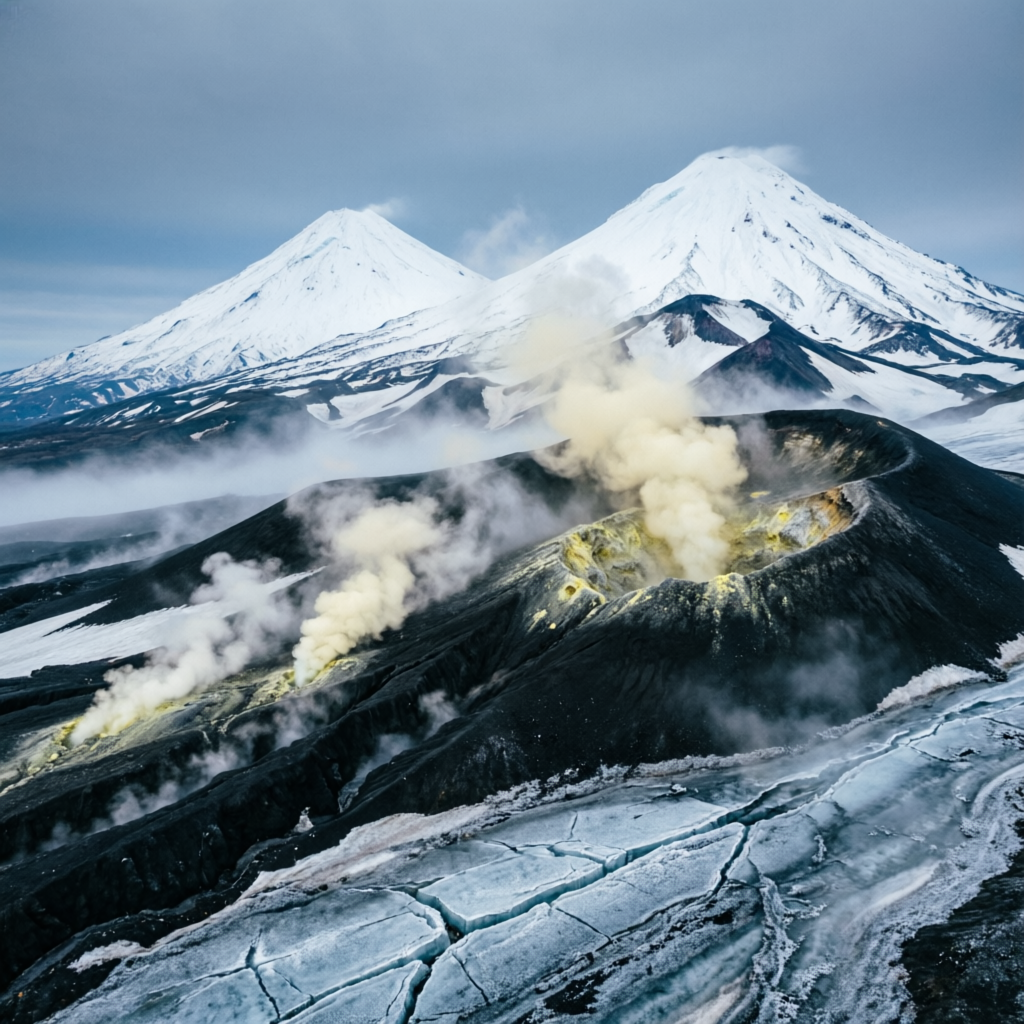
Picture this: a place where the ground exhales plumes of steam like a dragon catching its breath, where fire-breathing peaks outnumber any other region on Earth. Welcome to Kamchatka—a Russian peninsula so packed with volcanoes (over 300, with 29 still active) it makes Hawaii’s Big Island look like a gentle campfire by comparison.
Here’s the kicker: this isn’t just a geology lesson. It’s a masterclass in Feng Shui, straight from Mother Nature herself. You don’t need a compass or a bagua chart to feel the energy here—just stand near a fumarole and let the earth’s primal hum do the talking. The mountains? They’re not just scenery; they’re ancient sentinels carved by fire and time. Rivers twist through valleys like calligraphy strokes, writing a story older than human civilization.
But wait—Feng Shui in a wilderness this wild? (Unless you’re into extreme geothermal spa days, that is.) Kamchatka doesn’t cater to human comfort; it’s a raw, unapologetic force of nature. And that’s exactly why it matters. Study how energy surges through this landscape, and you’ll uncover universal truths about balance, flow, and transformation.
This isn’t just about volcanoes—it’s about Qi, the life force that shapes everything from your career path to the layout of your living room. Let’s dive in.
Geographical and Cultural Context
Kamchatka sits smack in the Pacific Ring of Fire, that restless tectonic belt stretching from Japan to Chile. It’s Earth’s pressure valve, erupting roughly every few years. Over 100 eruptions in the last 500 years alone—courtesy of the Smithsonian’s Global Volcanism Program—prove it’s no slouch when it comes to drama.
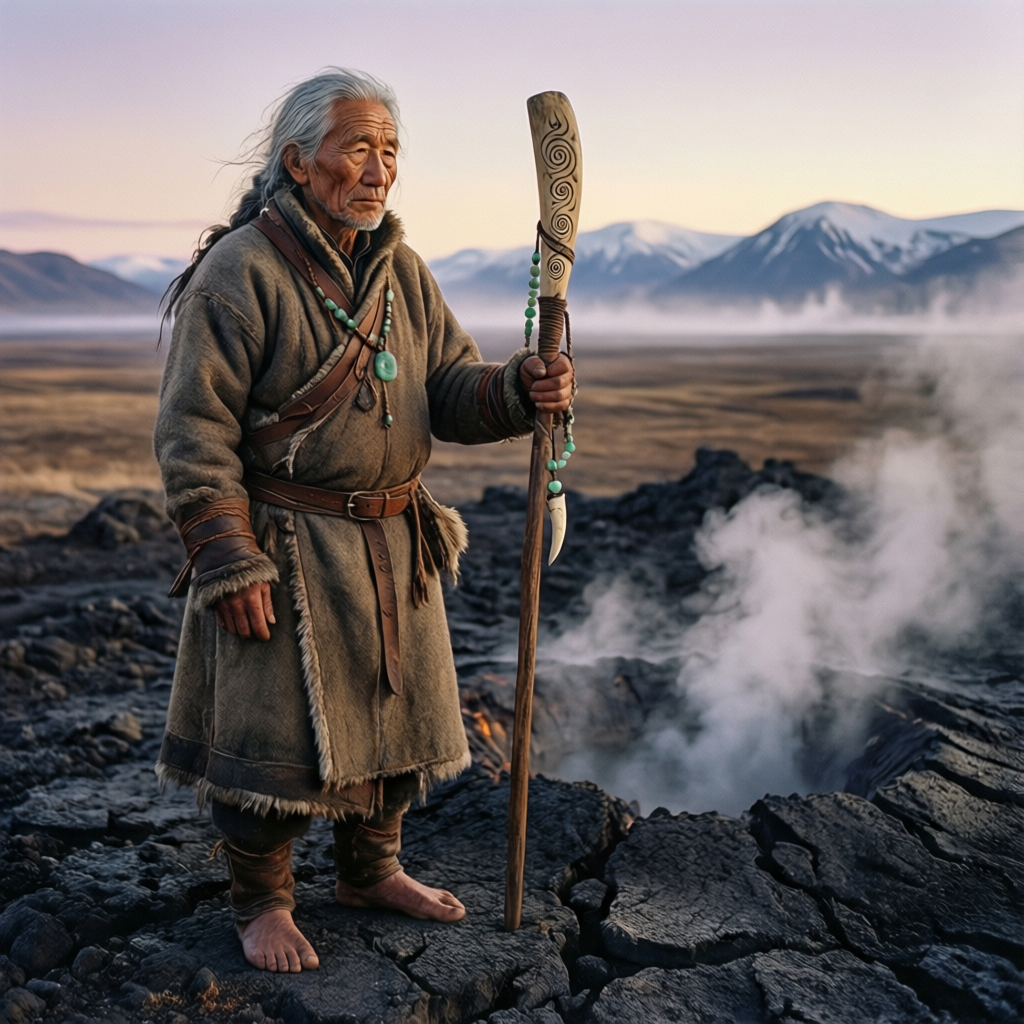
But numbers don’t tell the whole story. The Koryaks and Evenki, who’ve called this place home for millennia, speak of fire spirits and mountain gods. To them, volcanoes aren’t hazards—they’re ancestors, where sky and earth collide. Local communities still avoid certain vents, not out of fear, but a deep-rooted respect for balance. (As in, “Don’t poke the sleeping fire giant.”)
While Western science sees geological phenomena, Eastern tradition sees Qi engines. Those fiery peaks? They’re pumping life force into the landscape. Standing before a smoking crater isn’t just a photo op—it’s witnessing a natural Feng Shui masterpiece in action.
And here’s the kicker: nature doesn’t waste energy. Lava turns barren rock into fertile soil in a decade. Ash feeds forests so lush they’d make a botanist weep. That’s not luck—it’s Feng Shui in action.
Feng Shui Principles in Natural Landscapes
Let’s get real: Feng Shui didn’t start in your grandma’s parlor. It began outdoors, where ancient Chinese sages studied mountains, rivers, and wind patterns to track Qi’s dance.
Now imagine applying that to Kamchatka. We’re not talking bedroom layouts here—we’re dealing with ecosystems shaped by fire and ice. Two schools guide this analysis:
Form School and Compass School Perspectives
Form School (Xing Shi Pai) reads landscapes like a face. A jagged peak? That’s Jian Feng—sharp energy that draws Qi upward like smoke. Too sharp, and energy scatters; too blunt, and it stagnates. Balance is key.
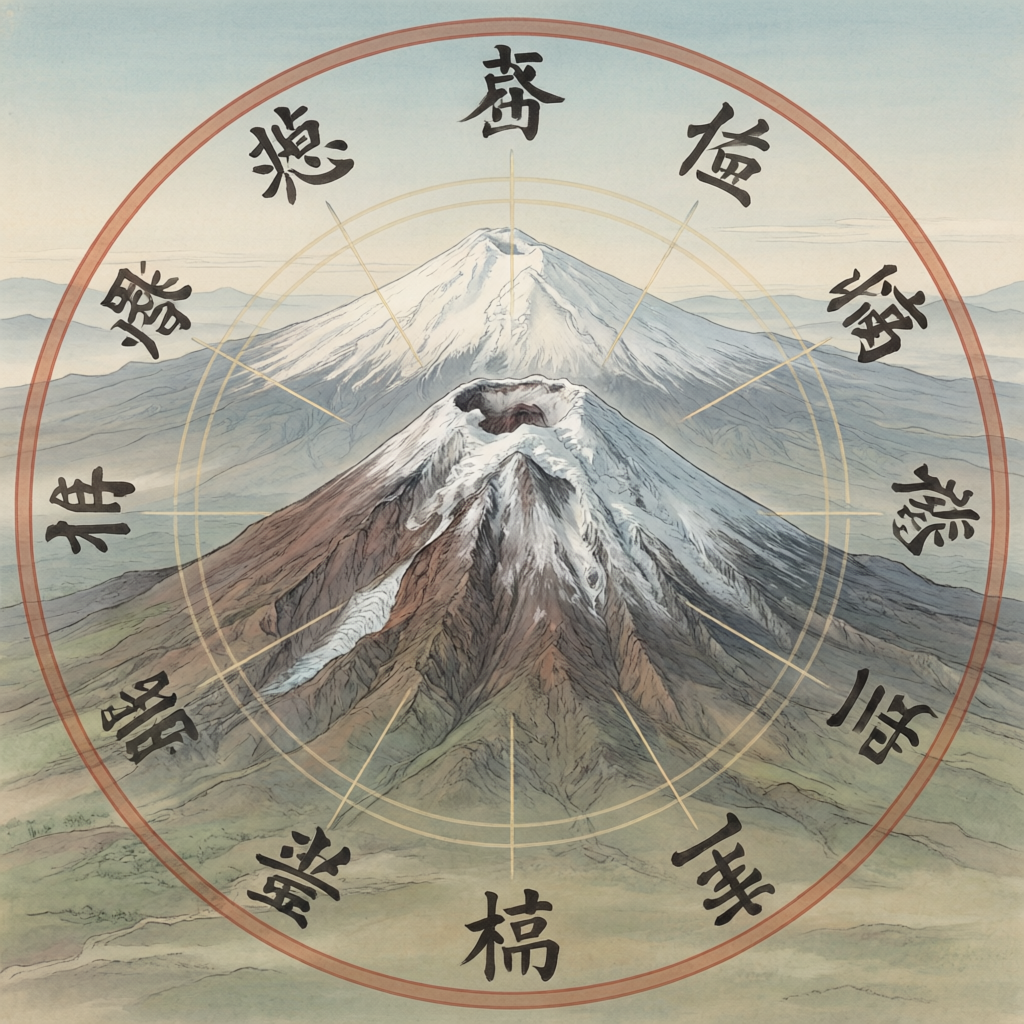
Compass School (Li Qi Pai) checks directional vibes. Take Kamchatka’s Klyuchevskaya Sopka—4,700 meters of fiery Yang energy facing southeast, the Feng Shui “Dragon Gate” of growth and abundance. But unless you’re craving a spotlight that’ll burn your eyebrows off, that sheer size demands caution.
Together, they reveal the land itself is a living chart.
Volcanic Peaks and Qi Dynamics
Volcanoes aren’t just geological features—they’re Qi pumps.
Mountains (or Shan) symbolize stability, but volcanoes? They’re hyperactive relatives blasting Yang energy skyward. Their bases, though, hold Yin—cool, grounding, and deep. It’s Yin-Yang in motion, not stillness.
Take Ushkovsky Volcano, cloaked in clouds that soften its fiery intensity. Nature’s built-in dimmer switch, if you will.
And here’s the science bit: post-eruption soils boast 80% higher mineral content (Geological Society of America, 2020). Forests don’t just survive here—they thrive.
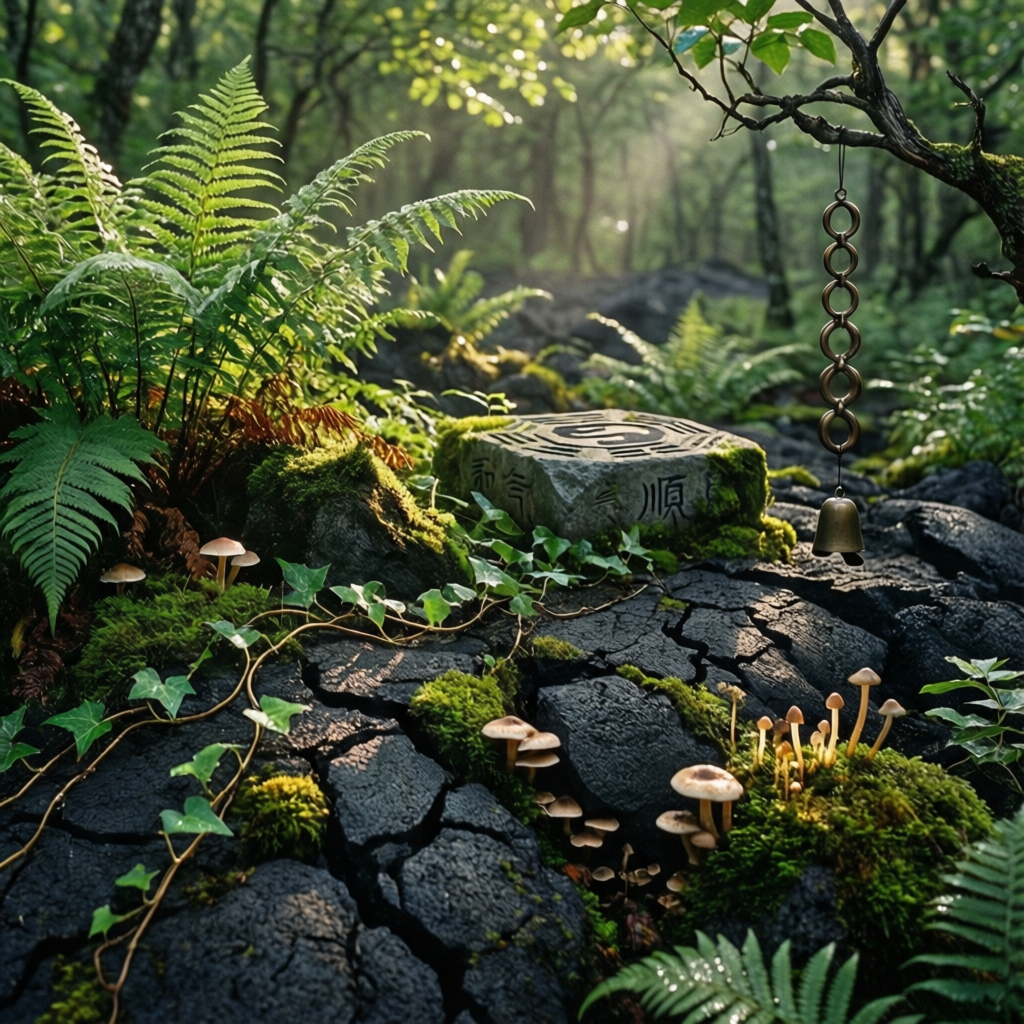
So, your apartment feeling too chaotic? Add a grounding stone or a potted plant. Too stagnant? Crank up the Yang with a red lamp or a wind chime. Balance isn’t about extremes—it’s knowing when to release and when to hold back.
Observing Feng Shui Patterns in Kamchatka
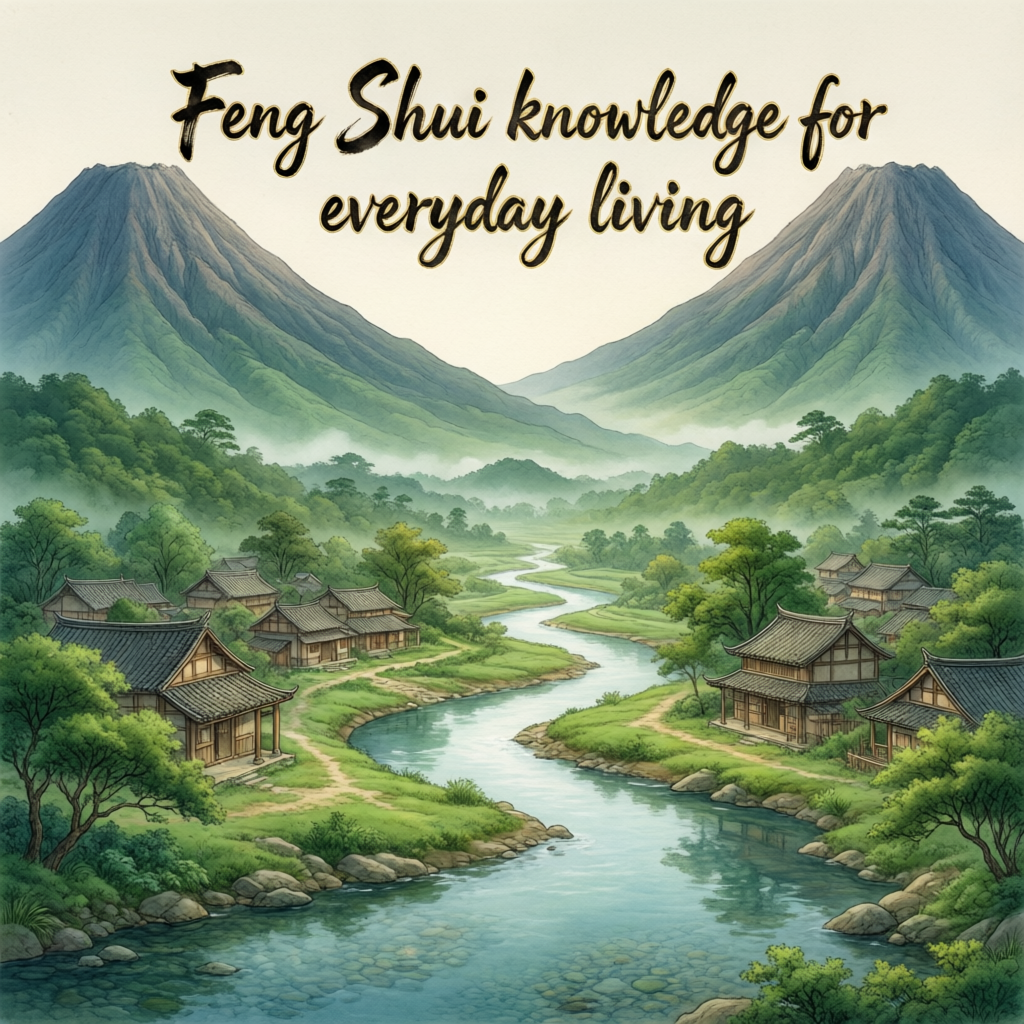
Kamchatka’s a network, not a random pile of peaks. Rivers carve Qi pathways, carrying volcanic minerals that feed ecosystems. The Kamchatka River and its tributaries? They’re not just waterways—they’re energy highways.
Settlements near river bends thrive (fertile land, abundant flow), but human habitation’s sparse here—300,000 souls across the entire peninsula (Russian Federal Statistics, 2023). Proximity to volcanoes changes everything.
Some villages leave offerings at dormant cones. Others skip building on certain slopes, even if structurally sound. Why? The Qi’s too volatile—like living next to a jazz drummer with a caffeine addiction.
But here’s the twist: locals report heightened creativity and intuition. Coincidence? Not a chance. That’s Qi in overdrive.
Practical Applications in Daily Life
Bring Kamchatka’s lessons home without the lava:
- Sluggish workspace? Add a red lamp or a fiery art print. Red = Yang activation.
- Overstimulated bedroom? Swap neon walls for cool grays or stone textures.
- Qi regulator? Try a crystal cluster near an east-facing window. (Amethyst’s great for absorbing excess energy.)
- Channel water’s flow with a tabletop fountain—just keep it whisper-quiet.
Vertical thinking is your secret weapon. Stack shelves, use tall bookcases—mimic Qi’s upward rise. But remember: power doesn’t require drama. A single candle can shift a room’s vibe.
[IMAGE: Modern urban apartment interior with vertical elements, a small fountain, and a red accent wall]
Close your eyes. Imagine standing at a volcano’s base. Feel the heat, the wind, the sulfur tang. Now ask: What part of me wants to rise? What needs grounding?
Your answers? That’s your next design move.
[LINK: Balancing Yin and Yang in home environments]
FAQ
How does Feng Shui apply to natural landscapes like volcanoes?
Feng Shui principles extend beyond built environments to include natural landforms. Volcanoes, as powerful natural features, influence the flow of Qi through their shape, orientation, and relationship to surrounding elements like water and terrain.
What can we learn from the Feng Shui of Kamchatka’s volcanoes?
Kamchatka’s volcanoes offer insights into how natural energy can be both dynamic and stabilizing. Their formations demonstrate how to balance active and passive forces in personal and environmental design.
Do active volcanoes have different Feng Shui properties than dormant ones?
Yes, active volcanoes are seen as highly Yang, representing movement, heat, and transformation. Dormant volcanoes may carry a more balanced or Yin energy, offering grounding and stability.
How can volcanic landscapes influence nearby human settlements?
Volcanic landscapes can affect local energy fields, influencing everything from agricultural fertility to emotional well-being. Feng Shui considers these factors when advising on settlement placement and design.
Ready to channel some volcanic energy into your life?
[LINK: Understanding Qi in urban and rural spaces]
Or dive into World Heritage—a visual feast of Earth’s sacred landscapes. Amazon.com : World Heritage
For symbolic flair, try the Veronese Design Statue of Liberty (12.3 inches)—a 4.5-star-rated piece that adds strength to any space. Amazon.com link
And hey, if you’re into global traditions, The Atlas of World Embroidery reveals how stitches map regional Qi. Amazon.com link
Because Feng Shui isn’t about fixing your home—it’s about syncing your life with the planet’s pulse. And Kamchatka? It’s the loudest beat on the drum.