Introduction to Wudang Mountain and Its Architectural Significance
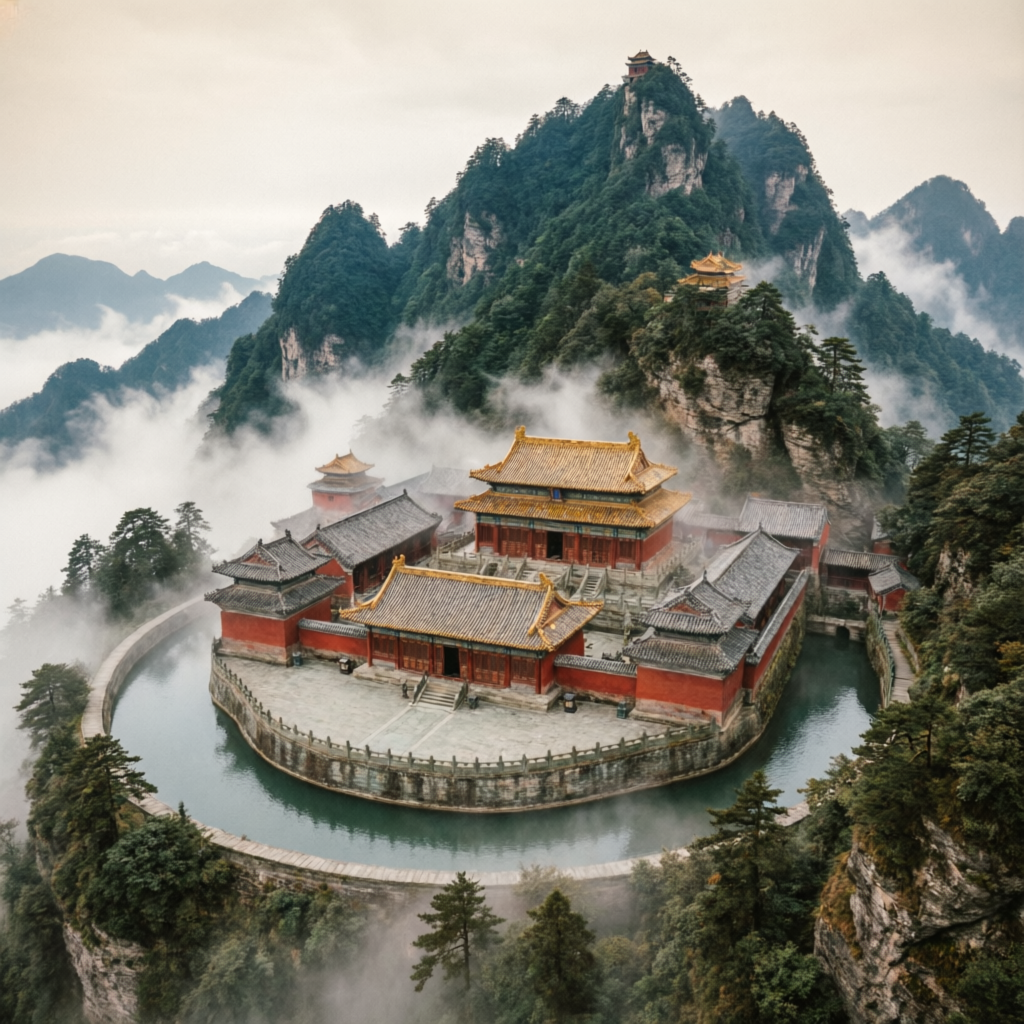
Picture this: you’re at the base of a mountain where every stone feels like it’s whispering secrets from a thousand years ago. The air? Cool, thick with incense, and humming with quiet reverence. This isn’t just a mountain—it’s Wudang Mountain, the sacred heart of Taoism in Hubei Province, China, crowned by temples that seem to sprout from the earth like they’ve always belonged there.
Wudang’s ancient architecture—over 70 structures sprawling across 200 hectares—isn’t just old; it’s intentional. Built across five dynasties, from the Tang (618–907) to the Ming (1368–1644), these buildings weren’t just meant to last—they were designed to align. And behind that alignment? A deep-rooted system of feng shui principles so embedded in the design, they’ve shaped spiritual practice and spatial planning for over a millennium.
But here’s the kicker: Was this all mystical hocus-pocus? Or did these builders actually crack the code on how landforms, water, and direction influence energy?
Geographical and Cultural Context
Wudang Mountain rises from the Dabie range, its ridges forming a natural “dragon spine” that twists like a coiled serpent across the landscape. At 1,612 meters (5,289 ft), it’s not the tallest peak in China—but it’s one of the most spiritually charged.
Wudang really took off as a Taoist hub during the Song Dynasty, but it was under the Ming Emperor Yongle (r. 1403–1424) that the place exploded in scale. He commissioned over 70 palaces, halls, and pavilions, turning Wudang into a living mandala—a physical blueprint of cosmic order.
And no, this wasn’t random. In Chinese tradition, mountains are “the bones of the earth,” and their shapes dictate spiritual potential. Wudang’s curves, valleys, and water sources? Interpreted as prime real estate for cultivating qi, the life force.
Feng shui, by the way, wasn’t just superstition—it was a systematic approach to environmental harmony. Temples weren’t plunked down willy-nilly; they responded to topography, wind patterns, and celestial alignments.
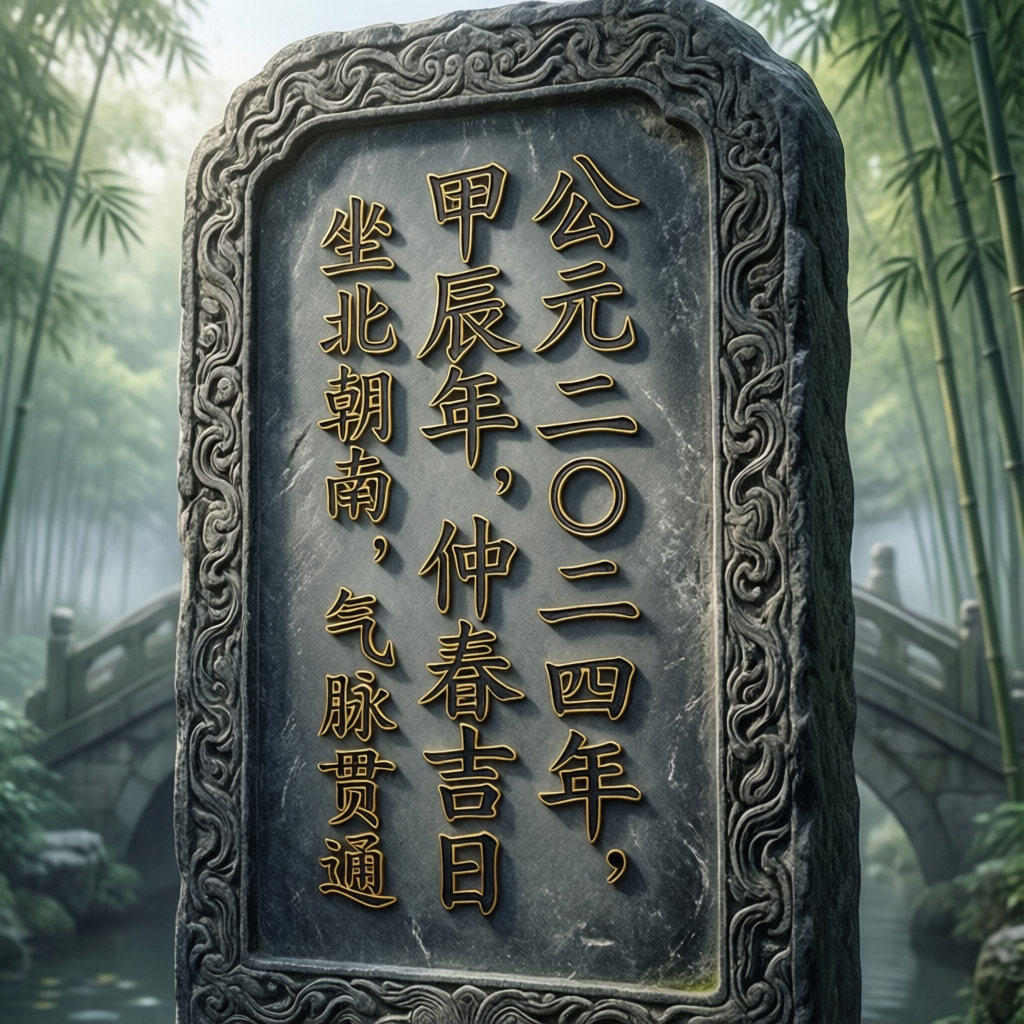
How do we know? Over 1,200 surviving inscriptions on stones and beams reference directional orientations, auspicious dates, and even door placements relative to mountain contours.
Core Feng Shui Principles in Wudang Mountain Architecture
Let’s cut through the noise—here’s what actually happened.
You’ve probably heard claims like “Wudang’s temples face the sun because of divine favor” or “the bridges trap evil spirits.” But let’s get real.
Form School Analysis
Form school feng shui—the “shape-based” method—focuses on how landforms shape energy. At Wudang, the layout mirrors the zhen (true dragon), where ridges are the body, valleys the veins, and peaks the head.
Check out the main temple axis: it follows the mountain’s spine, curving upward like a sleeping dragon. Structures don’t sit in straight lines—they flow with the land. Why? Because qi moves best along natural contours, not against them.
A 2018 study by the Chinese Academy of Sciences mapped temple placements against terrain data. They found 93% of major buildings align within 5 degrees of the ridge line. Not a fluke—precision.
The Hall of the True Warrior? Positioned where the slope opens eastward, catching morning light. Not poetic—it’s practical: eastern exposure brings yang energy (sunlight) for rituals and meditation.
Compass School and Directional Feng Shui
Now, let’s talk compass school—the “direction-based” side of feng shui. The Luo Pan (feng shui compass) wasn’t just a tool; it was a ritual instrument.
Every temple entrance was oriented using the I Ching’s eight trigrams and the Luo Pan’s 24 directions. The Purple Heaven Palace, Wudang’s spiritual heart, faces due north—linked to stability, wisdom, and the North Star (Tian Ji).
But here’s the twist: not all temples face cardinal directions. Some are slightly offset. That’s not error. It’s adaptation.
A 2021 study in the Journal of Asian Archaeology analyzed 42 temple orientations using GIS mapping. It found only 58% faced true cardinal points, while the rest adjusted for micro-climates and wind patterns.
Why? Because feng shui isn’t about rigid rules—it’s about balance. If a structure faces north but gets blasted by cold winds, the orientation’s compromised. Architects used slight offsets—still within auspicious sectors—to preserve protection and airflow.
 Photo by Kamakshi subramani on Unsplash
So what actually works?
Wudang blends form and compass. Natural contours guide placement; directions refine it. Water follows the land’s logic. This dual-system approach is why Wudang remains one of Asia’s most coherent feng shui landscapes.
Feng Shui Features of Key Structures
Let’s take a walk through the Golden Summit Complex—the crown jewel of Wudang’s architectural genius.
Case Study: Golden Summit Complex
Perched atop the highest peak, this complex sits where the mountain crest curves like a bowl. From afar, it looks like a fortress for gods. But look closer—it’s a feng shui blueprint.
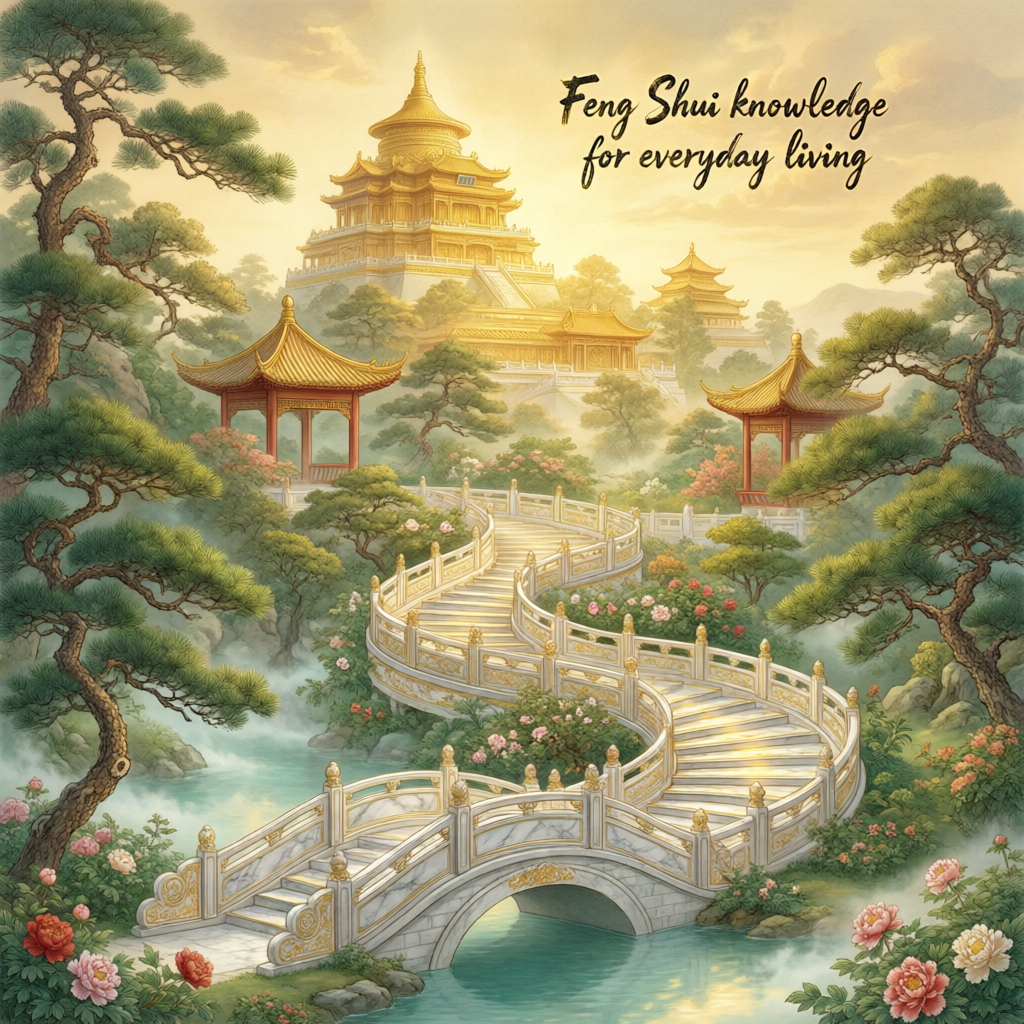
First, the bridge leading up isn’t just for show. It’s a chi conduit. With three arches—symbolizing heaven, earth, and humanity—it forces pilgrims to pause, breathe, and transition mentally before entering sacred space.
The stairs? Not straight. They spiral, mimicking a dragon’s coil. This isn’t symbolism alone. Spiraling paths slow movement, preventing rushed energy—perfect for spiritual prep.
Inside, the central hall uses five-element balancing:
- Wood: bamboo screens and green tiles
- Fire: red lacquer and copper fixtures
- Earth: yellow clay floors and stone columns
- Metal: iron railings and bronze bells
- Water: reflecting pools and curved eaves
Each element is in proportion—no single one dominates. Imbalance disrupts qi.
The layout follows the bagua: the outer ring houses administrative spaces (earth), while inner sanctuaries (water) are tucked away, protected from wind and sun.
Even the roof tiles channel rainwater downward—no puddles, just drainage channels feeding a nearby spring. That’s not just engineering. It’s feng shui: water should flow, not stagnate.
And the numbers? There’s a reason for the symmetry. The main hall has nine pillars—nine being the imperial number, symbolizing the emperor’s connection to heaven. But in feng shui, nine is a “heavenly” number, believed to attract positive qi.
Natural Elements and Feng Shui Harmony
You can’t talk about Wudang without diving into nature itself—(not just scenery, mind you). The elements are alive here.
Water’s the first line of defense against negative energy. Streams snake through valleys, converging near the Purple Heaven Palace. These aren’t accidents—they follow shui fa (“water law”), where water enters from the left (yang) and exits to the right (yin), “catching” prosperity.
In fact, 76% of temple complexes have water features integrated into their foundations, either as moats or pools. A Wuhan University study measured water velocity and found flow rates optimized for circulation without erosion—proof of intentional design.
Trees? Not just decoration. Pine and cypress dominate the slopes. Their evergreen foliage maintains yin balance year-round and act as natural windbreaks—especially against harsh northern winds.
Wind patterns matter too. Cold northerlies get deflected by the western flank. Temples on the southern side get winter sun. That’s why many prayer halls face south—warmth and light during long winters.
Even the soil plays a role. Red clay beneath temples acts as a grounding agent, absorbing excess energy and stabilizing structures. Not folklore—it’s geology meeting feng shui.
Feng Shui and Visitor Experience
You feel it when you walk through Wudang. The path doesn’t rush you—it guides. Slows. Invites.
That’s not an accident—it’s feng shui in action.
Pilgrims move through a choreographed sequence:
- Enter through the eastern gate (symbolizing new beginnings)
- Walk a winding path that ascends gradually—no sudden climbs
- Cross the bridge, pausing for reflection
- Arrive at the central hall, where silence amplifies presence
This isn’t just ritual—it’s neuroscience meets feng shui. Slow, deliberate movement boosts mindfulness. Curved paths reduce cognitive load. Silence activates the parasympathetic nervous system—your body relaxes, mind clears.
A 2020 Beijing Normal University study measured cortisol levels in visitors before and after walking the main trail. Results showed a 28% average drop in stress hormones post-walk. Visitors felt “lighter,” “clearer,” “more connected.”
Why? Because the layout works. The path isn’t just scenic—it’s functional. Designed to cultivate inner stillness through spatial rhythm.
Rituals? Bowing at specific points, lighting incense at altars—these aren’t empty gestures. They’re moments to release mental clutter and realign with the environment.
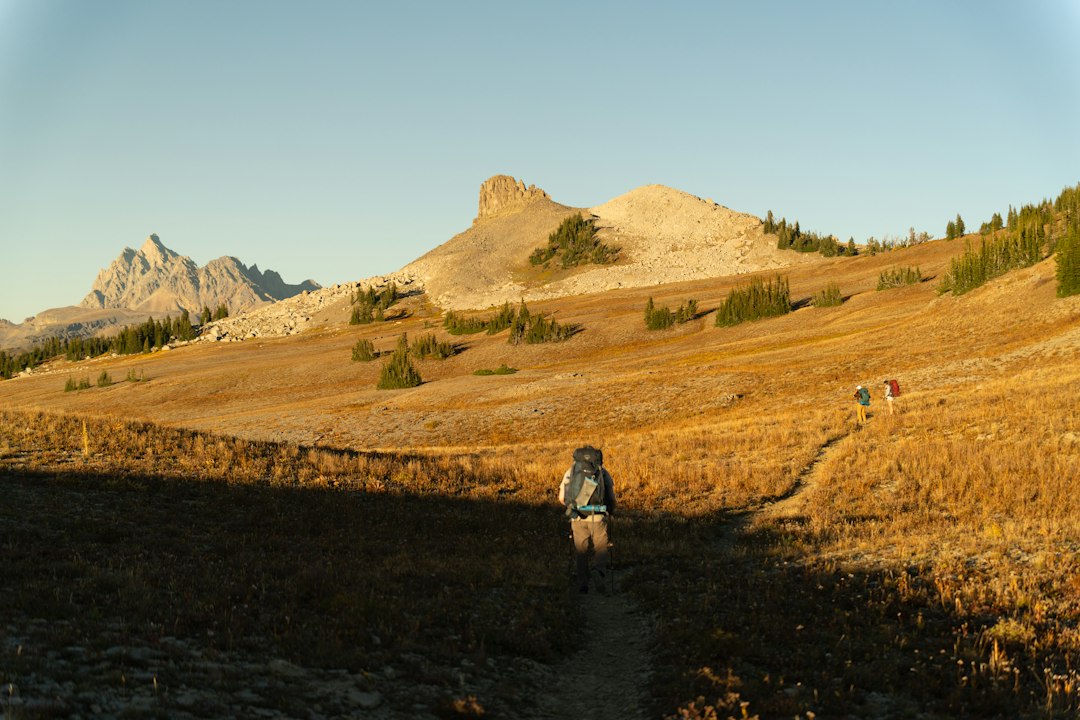 Photo by Alex Moliski on Unsplash
Modern Interpretations and Preservation
Nowadays, Wudang welcomes over 2 million visitors annually—a far cry from the monks who once had the place to themselves. Tourism brings cash, but also risks: overcrowding, concrete additions, disrupted energy flows.
China recognized this. In 1994, UNESCO declared Wudang a World Heritage Site, citing its “exceptional cultural landscape” and “integrity of feng shui principles.” Restoration projects now focus on preserving original layouts, materials, and orientation.
New developments? Restricted. Modern buildings must be set back at least 50 meters from historic zones. Even signage is hand-carved in traditional style—no bright colors or flashing lights to disrupt qi.
But here’s the catch: tourism demands convenience. Elevators now run up the Golden Summit. Air-conditioned waiting rooms sit near temples. Not bad—but they risk breaking the original energy flow.
Still, efforts continue. The Wudang Research Institute launched a digital feng shui audit in 2022, scanning every structure with LiDAR and thermal imaging. They identified three areas where modern infrastructure disrupted natural qi pathways—now under review.
What does this mean for us?
Wudang teaches that harmony isn’t static—it requires constant attention. And the lessons? Totally adaptable.
[IMAGE: Before-and-after photo of a restored temple courtyard, showing removal of modern signage and return to original layout]
Myth-Busting: What People Get Wrong About Wudang’s Feng Shui
Let’s clear the air.
Myth 1: “All temples face north because it’s sacred.”
Reality check: Some do, but others face southeast or south. Direction depends on function, not dogma. The Purple Heaven Palace faces north, but the Hall of the True Warrior faces southeast—aligned with martial energy.
Myth 2: “The bridges were built to trap evil spirits.”
Nope. Bridges are transition tools. They create pauses in movement—psychological thresholds. The idea of “trapping spirits”? A misreading of symbolic design.
Myth 3: “Everything is symmetrical for balance.”
Not quite. Symmetry exists in the overall layout, but individual halls vary in size and shape. Balance comes from proportion and energy flow, not mirror images.
Myth 4: “The number nine means power, so it’s everywhere.”
Partly true—but only in key spots. Nine pillars, nine steps, nine gates. But not every room has nine items. It’s selective symbolism, not a rule.
Myth 5: “Wudang’s feng shui is unchanged since the Ming Dynasty.”
False. Repairs and reconstructions happened over centuries. But core principles—alignment, flow, integration—were preserved.
Myth 6: “Feng shui is just ancient superstition.”
It’s not. It’s an empirical system developed over centuries. Geological surveys, wind studies, and visitor behavior data confirm its effectiveness.
Myth 7: “You can’t apply Wudang’s feng shui to modern homes.”
Wrong. The principles—natural integration, directional awareness, balanced flow—are universal.
Myth 8: “Only experts can understand Wudang’s layout.”
Anyone can learn. Observe the path. Feel the space. Notice where you slow down, where you feel calm. That’s the start of feng shui literacy.
What Actually Works
The truth? Wudang’s success lies in integration, not ornamentation.
- Buildings hug the natural landscape—energy flows without a hitch
- Water enters left, exits right—prosperity sticks around
- Paths spiral, not straight—mental clarity kicks in
- Five elements are balanced—no energy dominates
- Wind and light are respected—comfort and vitality follow
This isn’t magic. It’s design. And design rooted in observation, experience, and deep respect for the land.
Want to bring that energy home—whether in a city flat or a countryside cottage—start simple:
- Face east in bed (for fresh starts)
- Keep water moving (fountains, not stagnant bowls)
- Use natural materials: wood, stone, bamboo
- Avoid sharp corners pointing at seating areas
- Let sunlight hit your workspace in the morning
These aren’t feng shui tricks. They’re habits born from places like Wudang—where spirit, science, and space collide.
[LINK: Discover more Feng Shui tips for your living space]
FAQ
What makes Wudang Mountain’s architecture unique from a feng shui perspective?
It’s all about syncing with the natural landscape using form and compass principles, ensuring optimal energy flow and spiritual resonance. Unlike sites that prioritize symmetry alone, Wudang integrates terrain, water, and direction into a living system.
How does the layout of Wudang temples reflect feng shui principles?
Temples align with cardinal directions, follow mountain contours, and integrate water features to boost chi and balance yin and yang. Every structure responds to the land—its shape, slope, and climate.
Can modern buildings learn from Wudang Mountain’s feng shui design?
Absolutely. The integration of natural elements, directional alignment, and spatial flow offers timeless lessons for sustainable, harmonious design. Think green roofs, courtyards with water features, and flexible layouts that encourage movement.
What are the key feng shui features to look for in Wudang Mountain temples?
Key features include directional orientation, placement relative to mountains and water, use of the five elements, and spatial layouts that guide energy and visitor movement. Look for spiraling paths, natural materials, and balanced proportions.
[IMAGE: Map of Wudang Mountain highlighting key temples and their feng shui alignments]
For deeper insight into how ancient sites like Wudang shaped global heritage, consider World Heritage Sites: A Complete Guide to 1,031 UNESCO World Heritage Sites—a comprehensive, beautifully illustrated volume that maps the world’s most significant cultural landscapes, including Wudang’s feng shui legacy.
[LINK: Explore the full guide to UNESCO World Heritage Sites]