The Medici Villas: Where Renaissance Design Meets Feng Shui Wisdom
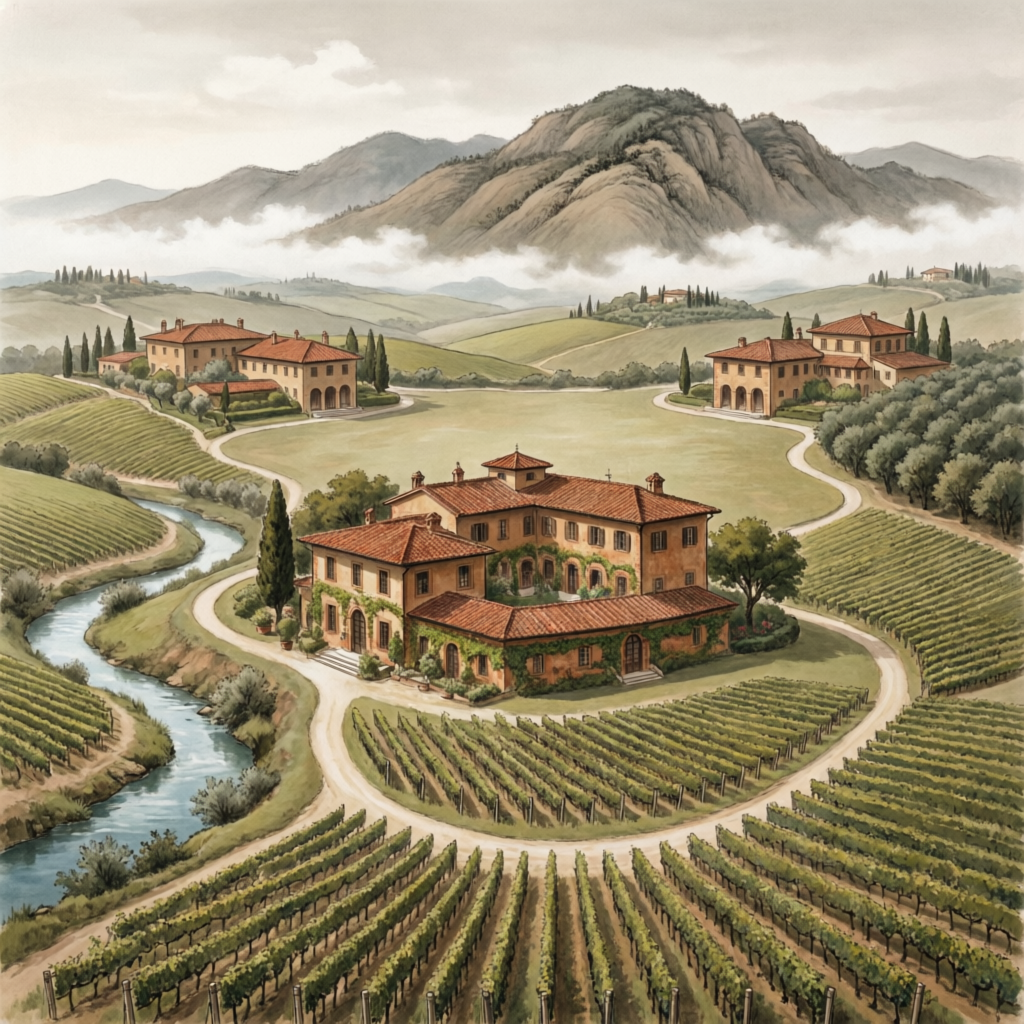
Picture yourself wandering through Boboli Gardens, where every hedge seems to whisper secrets of balance and every fountain glimmers with centuries-old intentionality. These aren’t just pretty parks—they’re blueprints for harmony, crafted when Renaissance engineers and artists conspired to marry nature with human ambition. The Medici Villas and Gardens in Tuscany aren’t museum pieces; they’re living textbooks of spatial intelligence, blending grandeur with principles that still resonate today.
Sprawled across Tuscany’s rolling hills, these estates were the brainchild of a family that treated art patronage like statecraft. The Medicis—bankers turned power brokers—didn’t just fund creativity; they weaponized it. Between the 15th and 17th centuries, they commissioned villas that weren’t merely homes but statements: declarations that humans could sculpt landscapes to reflect cosmic order (UNESCO World Heritage Site). Think of them as Italy’s original wellness retreats, designed long before Instagram made “mindfulness” a buzzword.
Now, you might ask: What do 500-year-old Italian gardens have to do with Feng Shui? Funny thing is, plenty. Centuries before “Qi” entered Western vocabularies, the Medicis were already playing with its equivalents. Ever noticed how the Villa d’Este’s terraces seem to breathe with rhythmic symmetry? Or how water features at Castello Villa channel movement like acupuncture meridians? Yin-Yang balance? Check. Strategic placement of elements? Double check. They called it “architectural harmony”; we call it Feng Shui. Same playbook, different century.
So why should you care? Whether you’re redesigning a balcony garden or just craving calm in a chaotic world, these estates prove that thoughtful design isn’t a luxury—it’s a survival tactic. Let’s unpack how Renaissance pragmatism can still school modern decorators.
Medici: The Original Power-Family
Let’s cut to the chase: the Medicis were Italy’s answer to dynastic power couples—except with more marble and fewer paparazzi. Starting as bankers (a profession with roughly zero PR points back then), they morphed into Florence’s unofficial CEO-family by the 1400s. Their secret sauce? Mixing cash with culture. Funding Brunelleschi’s dome wasn’t charity; it was brand strategy.
Cosimo de’ Medici, the patriarch who kicked this empire off, had a side hustle renovating churches like Santa Maria Novella. But his real genius lay in creating spaces that served dual purposes: awe the public with grandeur while giving himself spots to retreat and plot world domination. (Though one wonders if he’d have approved of your houseplants.)
Later Medicis took this further, building country estates where they could escape plague outbreaks and political headaches. These villas weren’t just playgrounds—they were laboratories for balancing activeness and stillness. Sound familiar? If you’ve ever craved a “zen corner” after a Zoom marathon, you’re channeling Medici thinking. They nailed the yin-yang of engagement vs. escape long before productivity coaches made it a trope.
Feng Shui 101: Not Just for Fortune Cookies
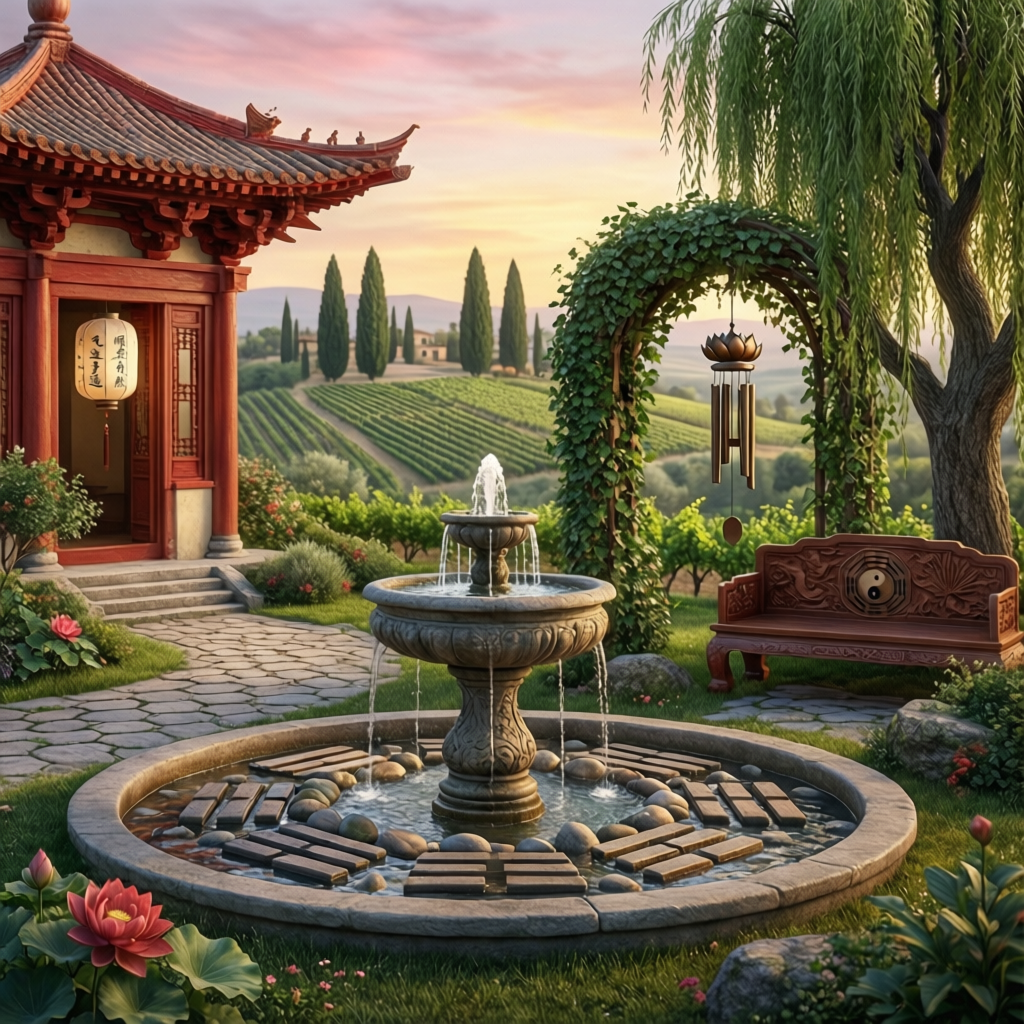
Let’s demystify Feng Shui without the crystals-and-candles crowd. At its core? It’s about energy flow—what the Chinese call Qi (pronounced “chee,” like “cheese” without the ‘ese’). The Medici might not have used the term, but they engineered their gardens to manipulate this very concept. Imagine pathways that guide your gaze like a symphony conductor, or courtyards that trap sunlight like a solar panel circa 1460.
Key principle: Your environment shapes your life. A cluttered hallway? That’s not just messy—it’s a Qi traffic jam. The Medicis got this instinctively. They positioned water features to create soothing white noise (read: Renaissance white noise machines) and aligned corridors to catch Tuscan breezes. No feng shui consultant required.
Here’s where old-school meets new-age:
- Balance Elements: Earth (stone terraces), Water (fountains), Wood (olive groves), Metal (sculptures), Fire (sunlit piazzas). Check every box without trying.
- Command Position: Villas sit elevated, surveying the landscape—like a CEO’s corner office with a view.
- Curves Over Corners: Harsh angles “cut” energy in Feng Shui. Medici designers used sweeping pathways and circular ponds to keep things flowing.
Next time you rearrange your desk to “feel more productive,” remember: you’re echoing a tradition that’s half a millennium old. The tools change; the principles stick.
(P.S. If your “workspace” involves a laptop in bed: the Medicis would’ve called that a Qi disaster. Just saying.)