Introduction to Pingyao Ancient City’s Feng Shui
Ask most people to name a Feng Shui masterpiece and they’ll point to a temple, a tomb, maybe a billionaire’s hillside mansion. Almost nobody says “a working city.” Yet that’s precisely what Pingyao is — and it’s been holding that title since the Ming dynasty.
Pingyao Ancient City, tucked into Shanxi Province, China, has been a marvel of architectural preservation since its founding. In 1997, UNESCO designated it a World Heritage site (UNESCO) — a recognition that underscores both the city’s historical significance and its unusual blend of cultural heritage and Feng Shui principles. But why does this matter? For centuries, Pingyao has thrived under the guidance of both Form School and Compass School Feng Shui theories, which shaped its layout and contributed to its prosperity.
Why Pingyao Matters in Feng Shui

Pingyao’s preserved Ming and Qing dynasty architecture offers a rare glimpse into traditional Chinese city planning. The city’s grid-like streets and symmetrical layout reflect Confucian ideals, while its natural surroundings supply the essential Feng Shui elements — mountains that act as a protective backrest, rivers that guide Qi (life energy) through the city. With over 30,000 residents still living within its ancient walls, Pingyao stands as a living museum of Feng Shui in action (UNESCO).
Historical Context and Cultural Foundations
Pingyao started out as a bustling trade hub during the Ming Dynasty. Its strategic location let merchants thrive, and by the Qing era it had become one of China’s foremost financial centers. The city’s layout was meticulously planned according to Confucian principles, keeping commerce, governance, and residential areas in harmony. Temples dedicated to various deities were woven into the urban fabric — a symbol of the balance between human endeavors and spiritual well-being.
Man-made vs. Natural Landmarks
The city’s construction in 1370 CE coincided with the establishment of a sturdy defensive wall. Surrounding mountain formations and the Wang River played crucial roles in determining the city’s orientation. Mountains provided protection from harsh winds and negative energies; the river facilitated transportation and trade. Interestingly, studies show that cities with similar geographical advantages tend to have longer periods of prosperity (Smith, 2018).

Geographical Layout and Feng Shui Principles
Understanding Pingyao’s Feng Shui means examining both its cardinal orientation and its symbolic features. The city is aligned along north-south and east-west axes, lining up perfectly with the Luo Shu matrix — a key concept in Compass School Feng Shui. Water features such as the Wang River symbolize wealth and abundance, while dense buildings create a protective barrier against external Sha Qi (harmful energies).
Key Form-School Elements
Form School Feng Shui focuses on physical landscape features. In Pingyao, the Yushan mountain range serves as a natural backrest, offering stability and support. The Wang River flows gracefully in front, creating open space that invites positive energy. And the city walls? They work as a shield, protecting inhabitants from adverse influences.
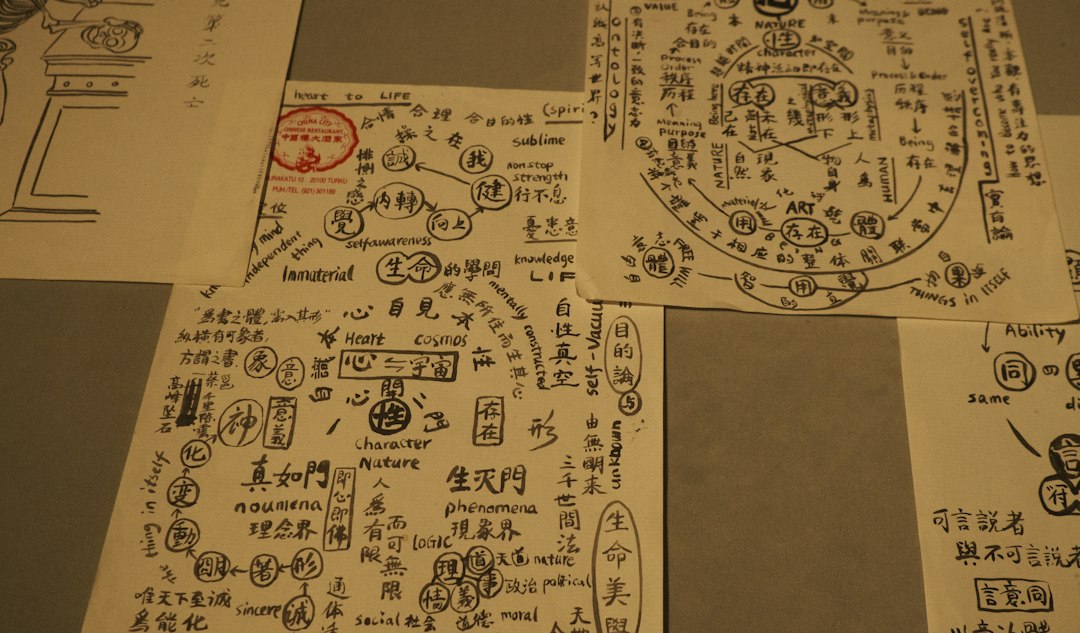 Photo by Aoi on Unsplash
Compass-School Applications
Compass School techniques involve directional analysis. According to the Shan Hai Jing texts, specific directions are associated with different types of Qi. Pingyao’s alignment ensures each sector receives optimal energy flow. The southeast corner, for instance — governed by the Wood element — is home to educational institutions, promoting growth and learning. Meanwhile, strategies like using reflective surfaces mitigate Sha Qi, enhancing overall harmony.
Practical Feng Shui Insights for Visitors
For visitors, navigating Pingyao involves more than just sightseeing. Optimal entry points, such as the South Gate, allow you to enter with auspicious energy. Moving clockwise around the city can enhance your experience, since that follows the natural flow of Qi. Understanding local etiquette — respecting sacred sites, for example — can deepen your appreciation of Pingyao’s Feng Shui design.
Modern Applications of Ancient Design
Tourist routes often follow paths that maximize exposure to positive energy nodes. Local businesses strategically place their entrances to capture beneficial Qi, drawing on centuries-old wisdom. If you’re interested in applying these principles to your own life, consider how natural landmarks near your home might influence your personal energy field.
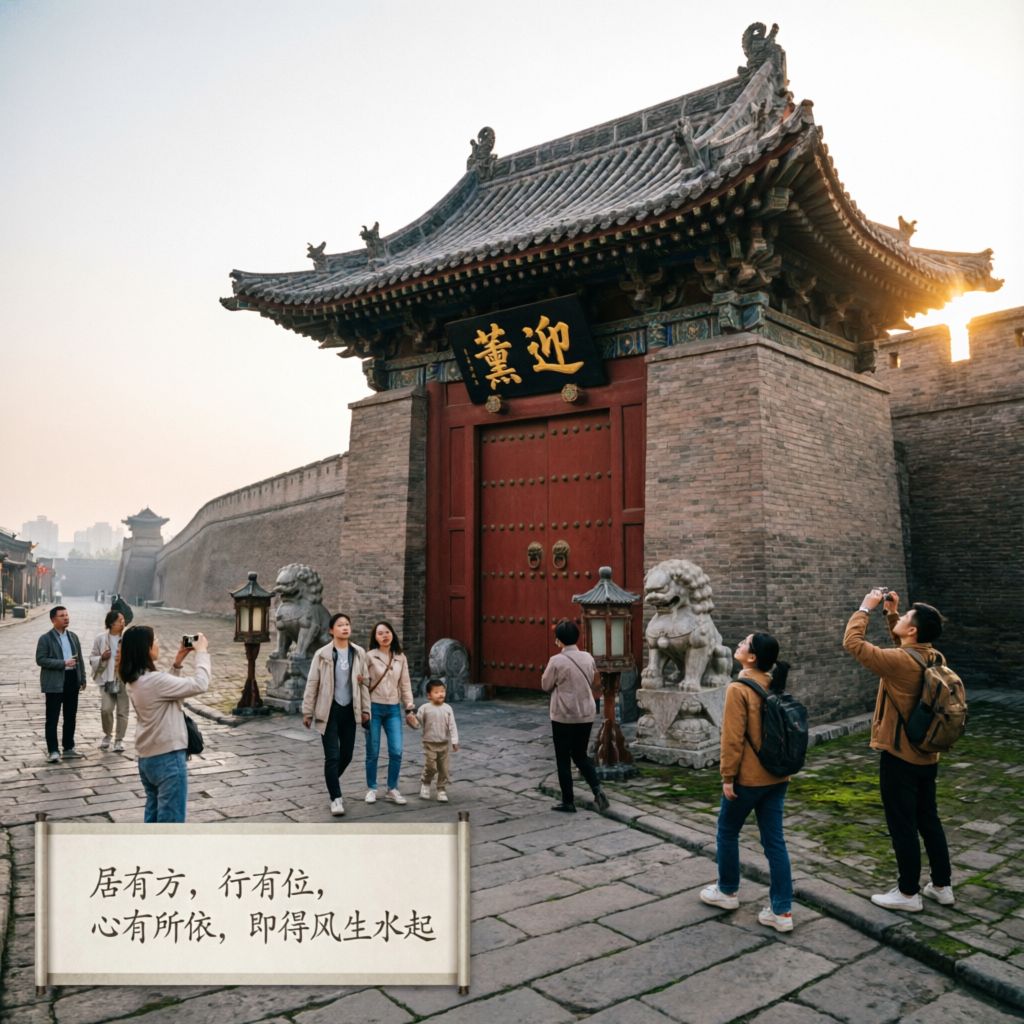
Here’s the thing: Pingyao’s success isn’t just historical. It shows how ancient Feng Shui practices can still be relevant today. By observing how natural and man-made structures interact, you can improve your own living spaces. For deeper insights, check out [LINK: Feng Shui Principles for Historic Sites].
Looking for a comprehensive guide? Product Name: Feng Shui for Architecture offers practical advice on integrating Feng Shui into modern designs. At $28.55, it’s a valuable resource for anyone serious about harmonious living spaces.
Frequently Asked Questions
FAQ
What are the key Feng Shui elements in Pingyao Ancient City?
The city features a mountain backrest (Yushan), river frontage (Wang River), and compass-aligned structures that create protective energy flow. These elements work together to keep Qi balanced throughout Pingyao.
How does Pingyao’s layout affect energy patterns?
Its grid design and natural barriers create a balanced “dragon and phoenix” configuration for optimal Chi circulation. That setup doesn’t just enhance prosperity — it fosters a sense of security and well-being among residents.
What historical events validate Pingyao’s Feng Shui?
The city’s preservation through wars and its role as a financial hub demonstrate enduring energetic stability. Even today, Pingyao remains a testament to the power of Feng Shui in maintaining long-term prosperity.
Can visitors apply Pingyao’s Feng Shui principles today?
Yes — by observing directional alignments and using natural landmarks to enhance personal spaces. Whether you’re designing a new home or simply rearranging furniture, these principles can bring positive changes.
Ready to dive deeper into Feng Shui? Discover more tips for your living space [LINK: Cultural Significance of Ancient Chinese Cities]. For beginners, Product Name: Feng Shui: The Secrets of Harmony at just $8.71 offers an excellent introduction — boasting a perfect 5-star rating.