What people notice
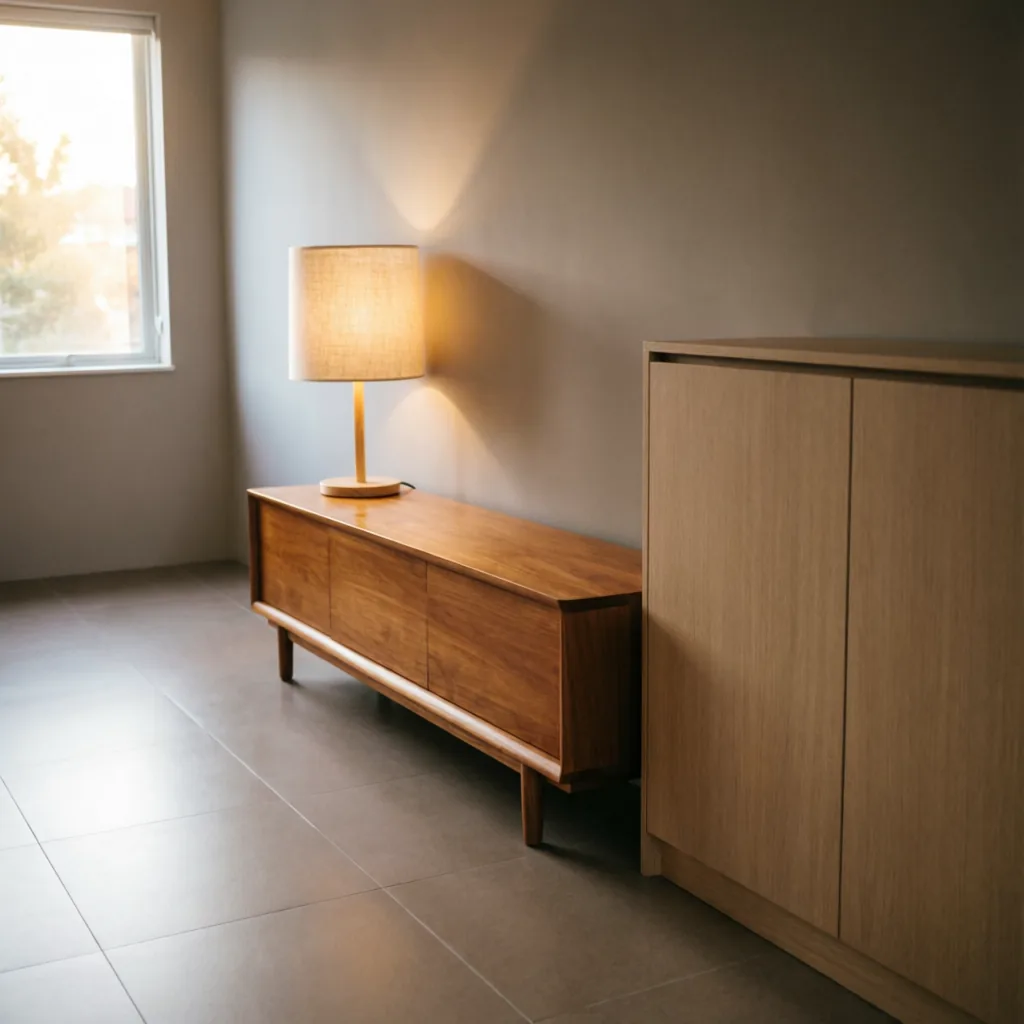
Homeowners often focus on enhancing their wealth corners while overlooking the importance of the front door, known as the ‘qi mouth’. Dimly lit or cluttered entryways can create a sense of hesitation and discomfort upon returning home each evening. Shoes and bags scattered along hallways not only block movement but also make the space feel cramped and unwelcoming. Renters may feel particularly constrained, unable to change the door’s direction or structure. This can lead to feelings of being drained even before stepping into the living area, affecting overall well-being and mood.
Why it becomes a problem
A dark or obstructed entry is traditionally believed to weaken the brightness of qi, which can affect the entire home. Daily inconveniences such as tripping over shoes or struggling with bags in narrow hallways add up, causing unnecessary friction. The perceived safety of the home drops when the arrival zone feels exposed or poorly lit, making residents uneasy. Maintenance issues like burnt-out bulbs signal neglect, which contradicts the principles of abundance and care. Effort spent on purchasing wealth charms may be wasted if the foundational elements of the entry are neglected.
The root cause
The layout of the main door facing inauspicious Ba Zhai sectors like Jue Ming or Wu Gui can contribute to an uncomfortable entrance experience. Insufficient lighting, such as a single weak ceiling light, fails to illuminate the Ming Tang (bright hall), leaving the entry dim and unwelcoming. Direct sight-lines from the door to stairs or corridors expose the interior, creating a sense of vulnerability. Clutter physically restricts airflow and circulation paths within the entry zone, further diminishing the quality of qi. Structural constraints in rentals prevent changes to door orientation or placement, limiting options for improvement.
The principle behind it
According to Compass School, the Ba Zhai You Nian stars rank door directions, with Sheng Qi being highly favored. Form School emphasizes the Bright Hall principle (明堂宜亮), requiring a well-lit entry space to support positive energy flow. Traditional practice encourages doors to face auspicious palaces such as Sheng Qi, Tian Yi, Yan Nian, or Fu Wei, while inauspicious sectors like Jue Ming, Wu Gui, Liu Sha, or Huo Hai are discouraged. Light is considered crucial for maintaining a clear entry, believed to strengthen the qi throughout the home. These principles guide the arrangement and enhancement of the entry to promote a welcoming atmosphere.
The solution
For those with the option, orienting the main door toward an auspicious palace involves significant effort but aligns with traditional principles. For most, adding warm ceiling or wall lights and a mirror-free accent piece offers a low-effort solution that enhances the entry’s brightness. Placing a freestanding screen across direct lines without blocking circulation can reduce exposure and improve privacy. Inauspicious sectors should be reserved for storage or utility areas rather than the main entry. Prioritizing lighting and order over purchasing wealth activation objects ensures that efforts are directed towards sustainable improvements that benefit the home’s overall energy.
How to put it into practice
To implement these solutions, purchase warm LED bulbs and a freestanding slatted divider or tall cabinet. Renters can opt for plug-in wall lights and non-fixed screens to avoid damaging the property. The cost level for lighting and screens is relatively low, whereas structural changes to the door would be high. Verify the effectiveness by checking if the hall feels brighter and arrivals feel calmer after the changes. Maintain the improvements by keeping lights on in the evening and ensuring walkways remain clear. Regular upkeep supports a welcoming and energetically balanced entry.
An illustrative case
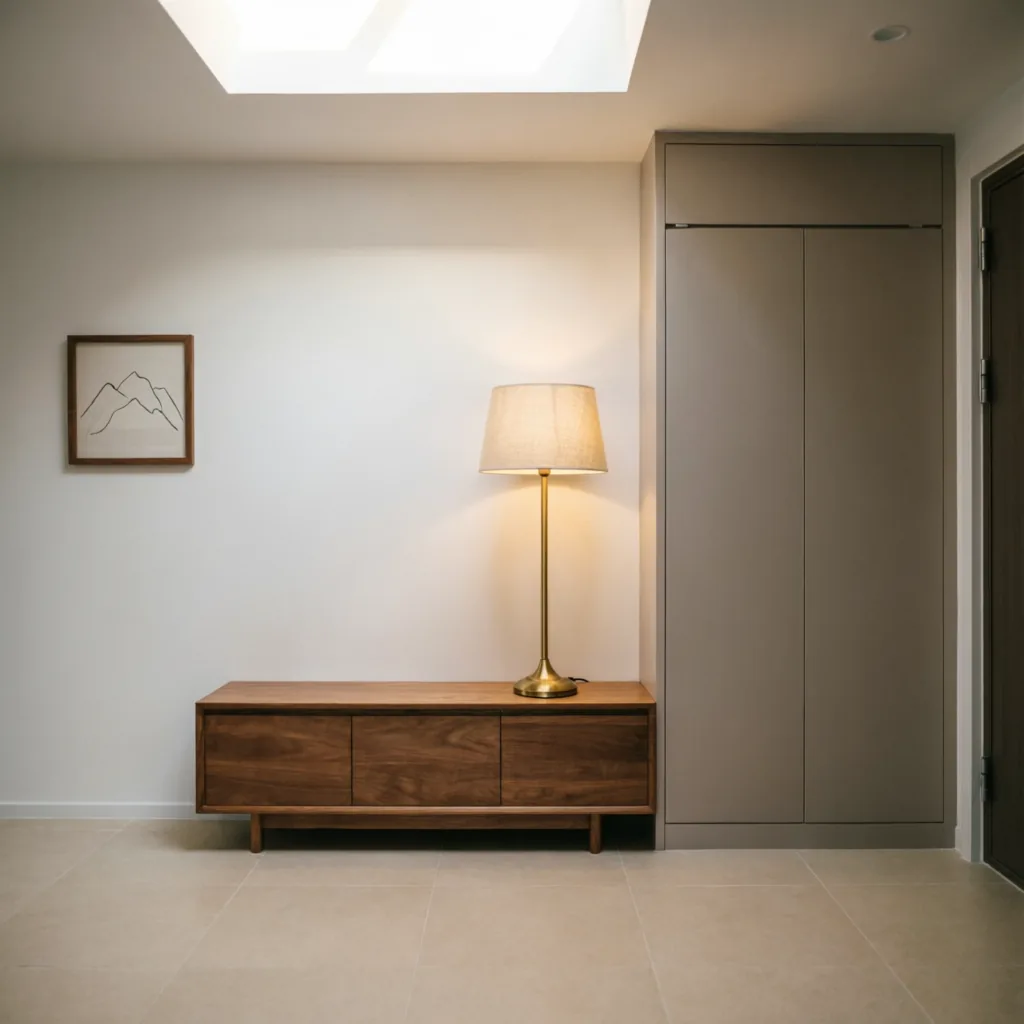
Illustrative composite: A north-facing entry hall with a single weak ceiling light. Situation: The space felt dim and unwelcoming upon arrival each evening. Change: Layered lighting was added to brighten the hall measurably. Report: Occupants noted an improved sense of welcome and visibility. Label: This is an editorial composite, not a specific real-world promise. In this scenario, the residents installed a warm wall light and a small table lamp near the entrance. They also placed a few decorative items like a vase and a mirror-free accent piece to enhance the ambiance without creating glare. The enhanced lighting not only made the entryway more inviting but also safer for navigating during the evening hours. The family reported feeling less stressed when they came home, as the brighter entryway lifted their spirits.
What changes after the fix
Plausible changes include better light, airflow, calm and usable space. Residents may notice reduced household friction and clearer circulation. Sleep or mood may improve due to better evening arrival experiences. State plainly that no financial outcome is assured by these adjustments. Focus on the tangible comfort rather than speculative wealth results. After implementing the layered lighting solution, the occupants experienced a more welcoming atmosphere in their home. The increased brightness allowed them to feel more relaxed and at ease upon entering their residence. While these improvements contribute to a more pleasant living environment, it’s important to note that such changes do not guarantee any particular financial outcomes. Instead, the focus should be on enhancing the overall comfort and practicality of the home, which can indirectly influence one’s state of mind and daily life quality.
Evidence and sources
[traditional] Ba Zhai You Nian star system classical ranks door directions. [case] Editorial composites show improved welcome sense with layered lighting. [modern] Better entry lighting improves safety and perceived welcome observationally. Traditional ranking is not a measured physical effect on bank accounts. Modern notes are observational only and do not support specific wealth claims. The traditional practice of Ba Zhai emphasizes the importance of directional alignment for prosperity. However, while this principle offers guidance, it does not measure direct impacts on finances. Observational evidence suggests that well-lit entries create a positive first impression and enhance perceived safety. These effects can lead to a more harmonious household environment but should not be confused with promises of financial gain. It’s crucial to understand the distinctions between traditional principles, illustrative cases, and modern observations to set realistic expectations for feng shui practices.
Boundaries and counterexamples
Does not apply if the door placement is fixed in rentals without owner consent. Makes it worse if screens block circulation or create new tripping hazards. Counterexample: Adding lights cannot fix structural damp or safety issues. Traditional practice is a ranking system, not a physical law of money. Honest limits: Effort on entry care ranks higher than buying wealth objects. For renters, modifying the main door direction might not be feasible. Installing screens or additional furniture without permission could violate lease agreements. Moreover, improper placement of these items can obstruct pathways and pose risks. Structural problems like dampness or faulty wiring require professional intervention and cannot be resolved solely through feng shui adjustments. Recognizing these boundaries helps in setting appropriate expectations and focusing efforts on practical, achievable enhancements that genuinely benefit the household.
Conclusion
Ground wealth discussion in entry, light and repair rather than objects. Rank effort vs. benefit: Lighting and order offer high return for low cost. Single next step: Install a warm light and clear the walkway today. Remember no object assures money; focus on perceived safety and arrival. Use traditional principles as guidance for comfort, not financial promises. Enhancing your entryway with proper lighting and maintaining a clutter-free path can significantly improve your home’s atmosphere. Prioritize these simple, effective steps over purchasing expensive feng shui objects marketed for wealth activation. By concentrating on practical measures that enhance comfort and safety, you foster a more positive living environment without unrealistic expectations of financial windfalls.
FAQ
Can adding lights to my entryway really affect my financial situation?
While improving the lighting in your entryway can make your home feel more welcoming and safer, it does not directly impact your financial status. The focus should be on enhancing comfort and practicality.
What if I live in a rental and can’t change the door direction?
For renters, consider using renter-friendly solutions like adding warm lights and ensuring the entryway is uncluttered. These changes can still enhance your living experience without altering the structure.
Are there any downsides to adding more lighting to my entry?
Improperly placed lights can create glare or shadows, potentially making navigation harder. Ensure that any lighting additions are well-placed to avoid these issues and maintain clear pathways.
Want this applied to your address? The free score gives a quick read; the personal report works through your layout, facing and rooms in detail.
Related guides
- Feng Shui and Wealth: A Complete Guide to Ancient Wisdom for Financial Freedom
- Ornaments That Bring Good Luck: Feng Shui Guide For Aesthetic, Intentional Spaces (No Esoteric Rules)
Guidance only — feng shui is a traditional practice and no outcome is guaranteed. Apply what fits your home and budget.